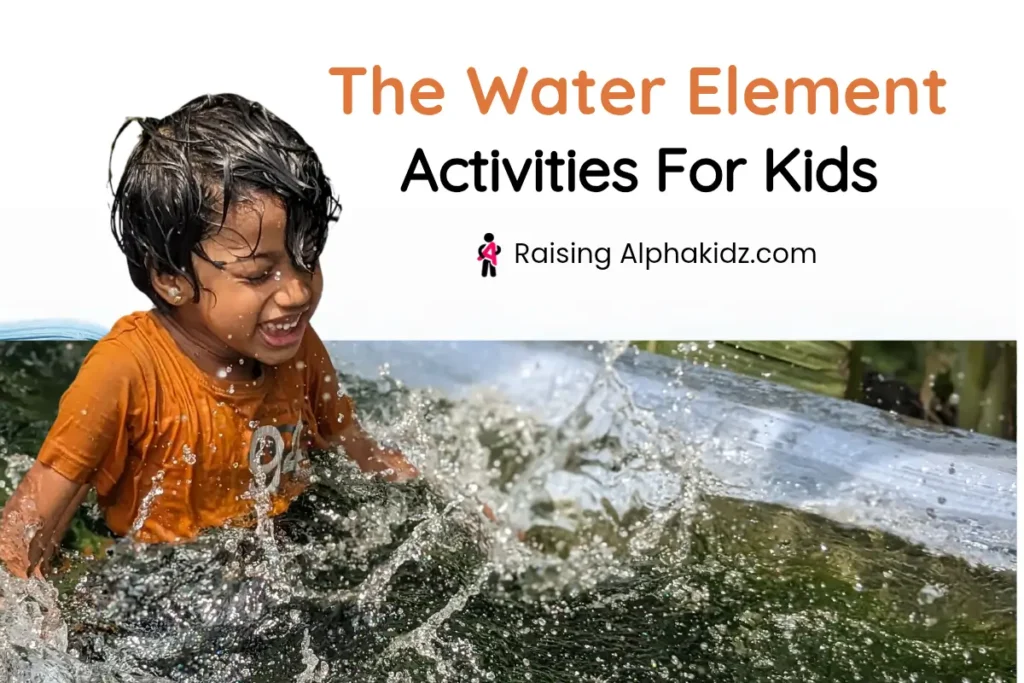
Water Activities for Kids: Helping Children Feel, Create, and Flow
Today, children have access to more activities than ever before—theme parks, learning apps, sports classes, adventure zones, and endless entertainment. While these experiences are exciting, they often leave me wondering:
Are we choosing activities simply because they keep children engaged, or because they support what children truly need?
My concern isn’t that children are having too much fun. It’s that we rarely pause to ask what a particular activity is doing for a child’s emotional, physical, and sensory development.
Take water activities, for example. Most of us see them as a fun way to keep children occupied. But what if water play serves a deeper purpose?
Over time, I have found it helpful to look at children’s activities through a different lens—one that focuses not on skills or outcomes, but on the kind of energy an activity nurtures within a child. This perspective helps us choose experiences that support balance, not just engagement.
I have found valuable insights in ancient wisdom traditions that viewed human beings through the lens of nature’s five elements. Just as every machine operates through electric energy, every human being functions through the energies of Earth, Water, Fire, Air, and Space. When these energies are balanced, children naturally thrive better with regulated nervous system behaviour. When they are imbalanced, challenges can begin to appear in their behavior, emotions, and overall well-being.
This understanding forms the foundation of what I call the Elemental Framework—a simple way of looking at activities based on the elemental energy they nourish.
Take water activities, for example. Most of us see them as a fun way to keep children occupied. But what if water play serves a deeper purpose?
Within the Elemental Framework, water energy (Svadhishthana in Sanskrit) represents emotions, creativity, emotional expression, adaptability, and flow. Water activities do more than entertain—they help children develop these qualities in a natural and joyful way.
So before we dive into the activities, let’s explore why water play is far more important than it first appears.
The Five Great Elements Of the Human Body
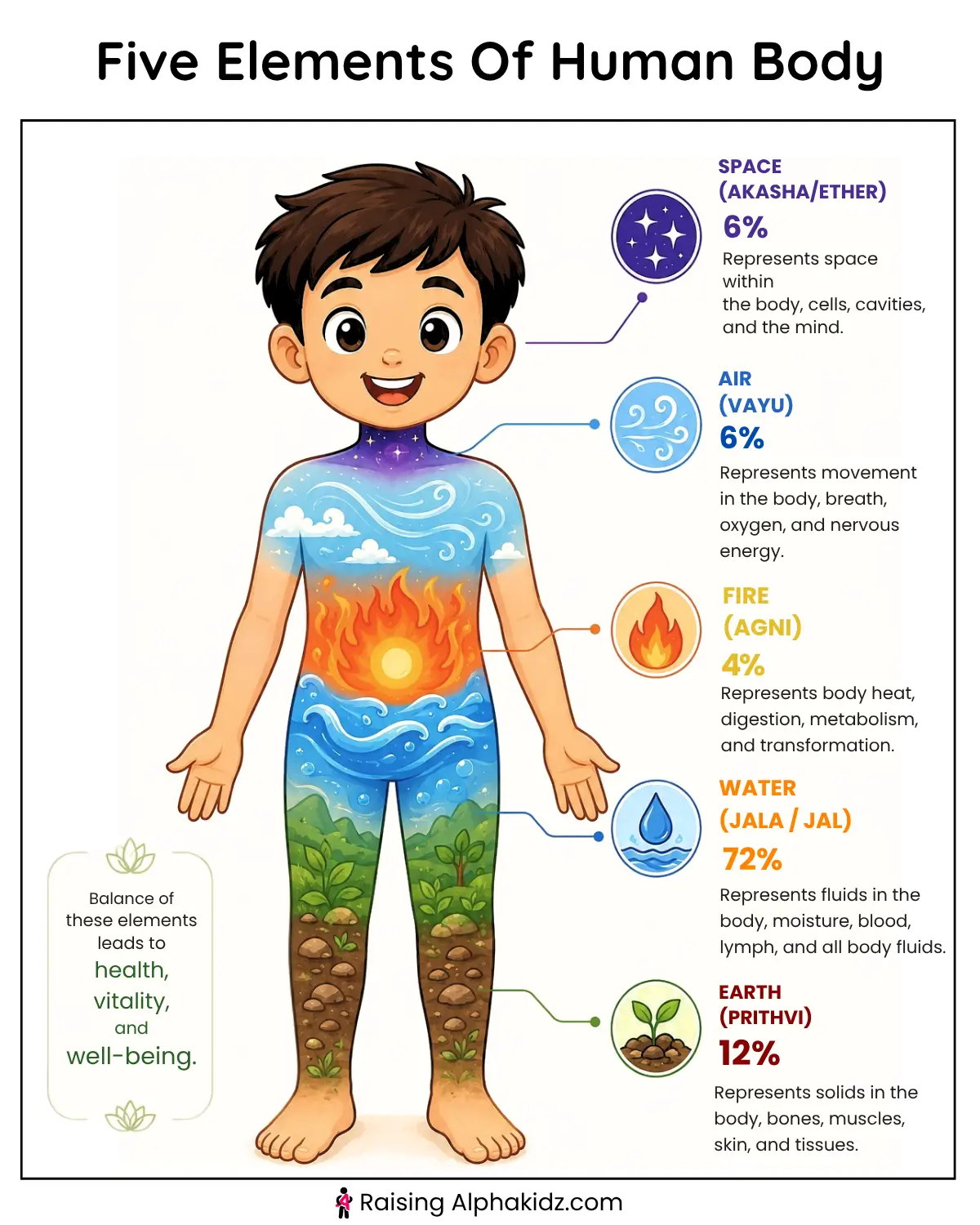
According to traditional systems like Ayurveda and Yoga, the human body is made up of five natural elements: Earth, Water, Fire, Air, and Space.
- Earth : ~12%
- Water : ~72%
- Fire : ~4%
- Air: ~6%
- Space : ~6%
Among these, Water makes up the largest portion of the body—about 72%.
What Is the Water Element?
In human anatomy, water is not only just H₂O. In your child’s body, water is blood, hormones, tears, saliva, and the fluid between every cells and joints. Not only that, it also governs emotions, sensory experiences, joy, pleasure, playfulness, creative capabilities, different flow states, mindful and adaptive nature of individual.
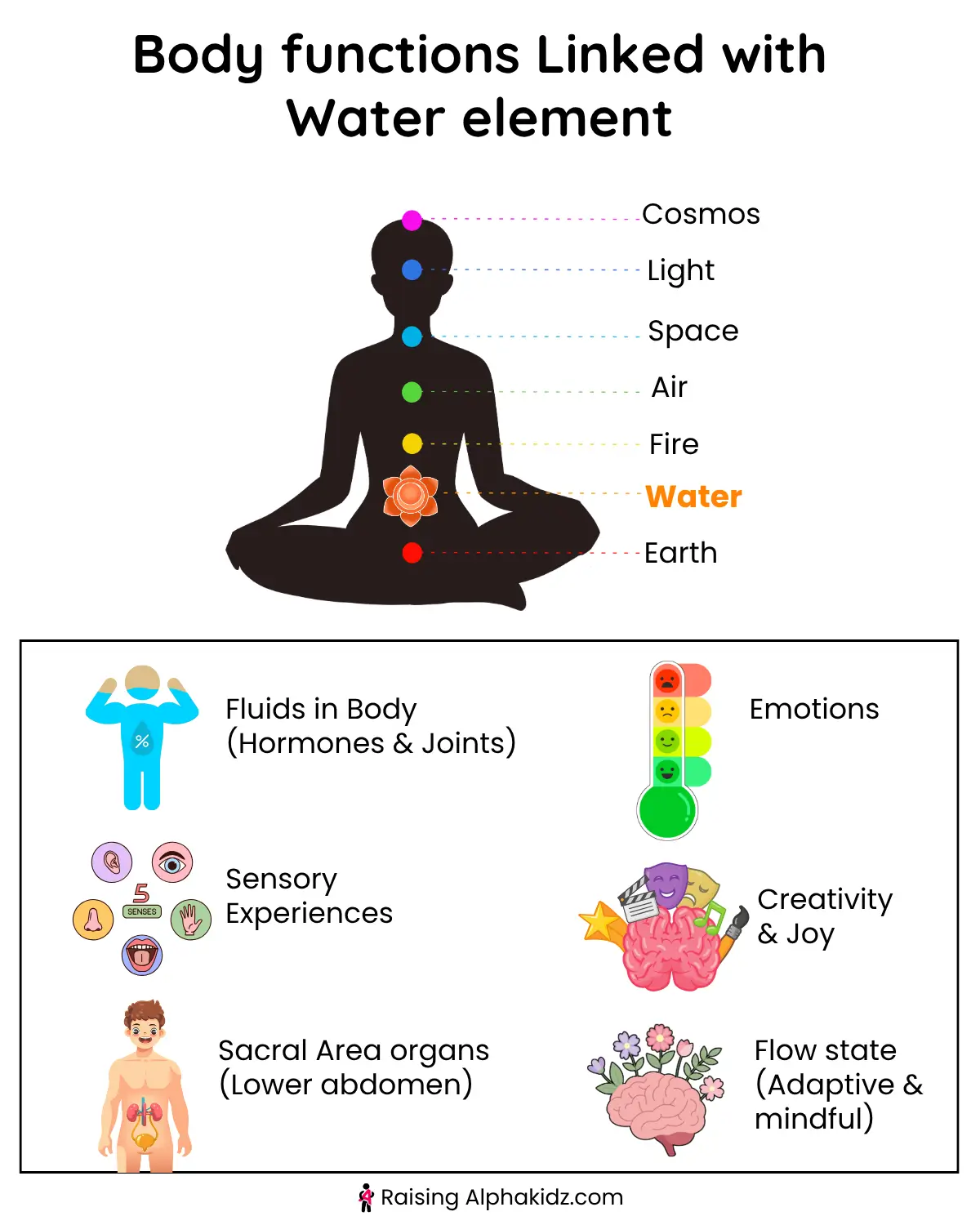
Therefore, when a child’s water element is balanced, they:
- Express their creative ideas freely.
- Adapt easily to change
- Express emotions without flooding or numbness.
- React freely and playfuly.
- Let go of worries and distress soon.
- Return to calm after upset.
How Water Energy Can Be Balanced in Kids Through Activities
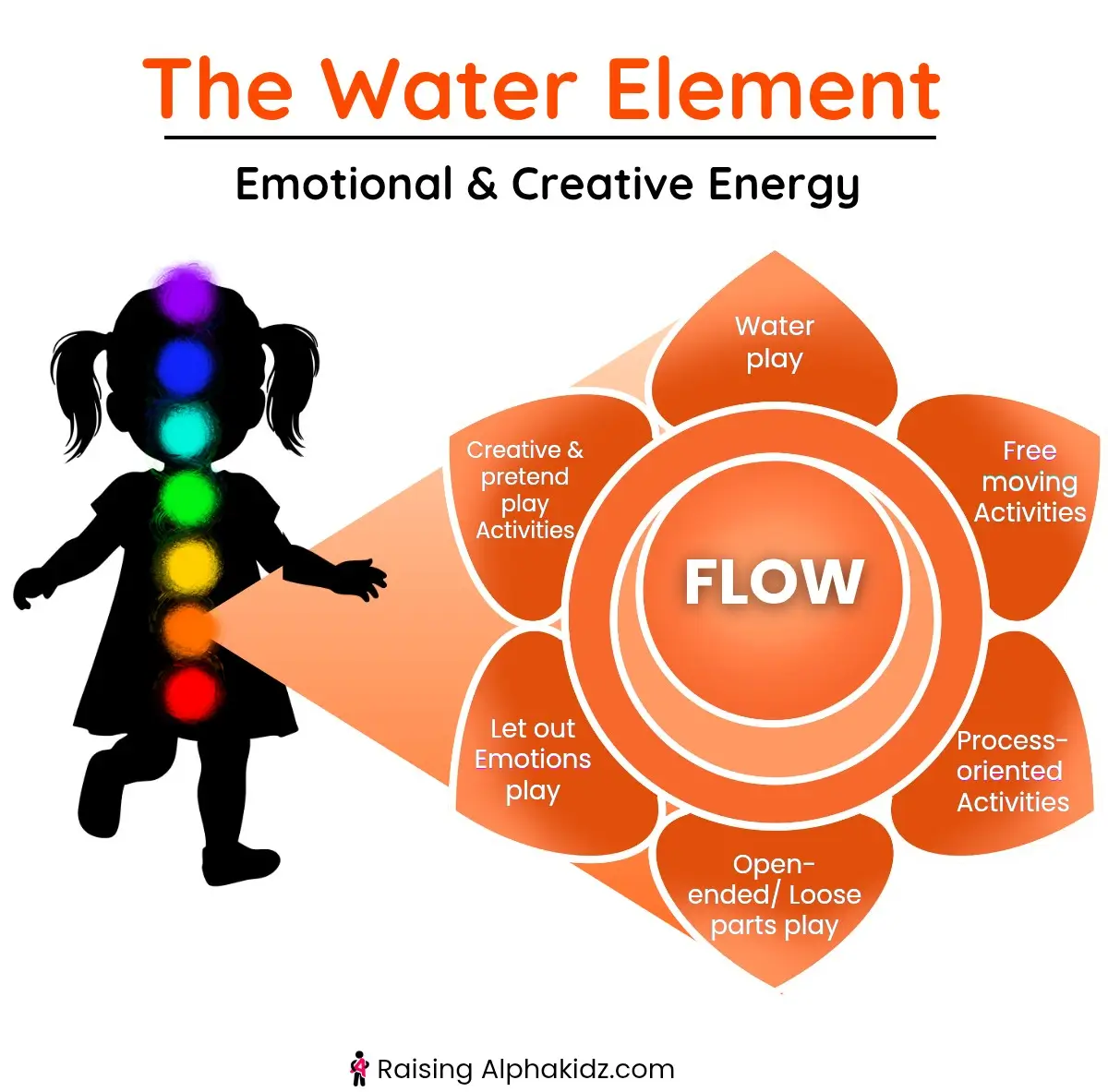
Water energy represents a child’s emotional and creative energy within. Hence, it can be balanced by providing opportunities for self-expression, imaginative play, movement, and emotional release in a safe and supportive environment.
Let’s see different water activities that balance water energy with kids.
- Water play activities
- Creative and pretend play
- Free-moving activities (dance, yoga, outdoor play like swinging, skipping, sliding,)
- Process-oriented activities (process arts)
- Open-ended and loose-parts play
- Art, storytelling, and emotional expression
- Encouraging children to share their feelings
These activities help children develop emotional balance, creativity, adaptability, and a healthy sense of flow.
How Water Affects the Mind and Emotions
The Water element is also linked to emotions and mental well-being. Therefore, it helps with:
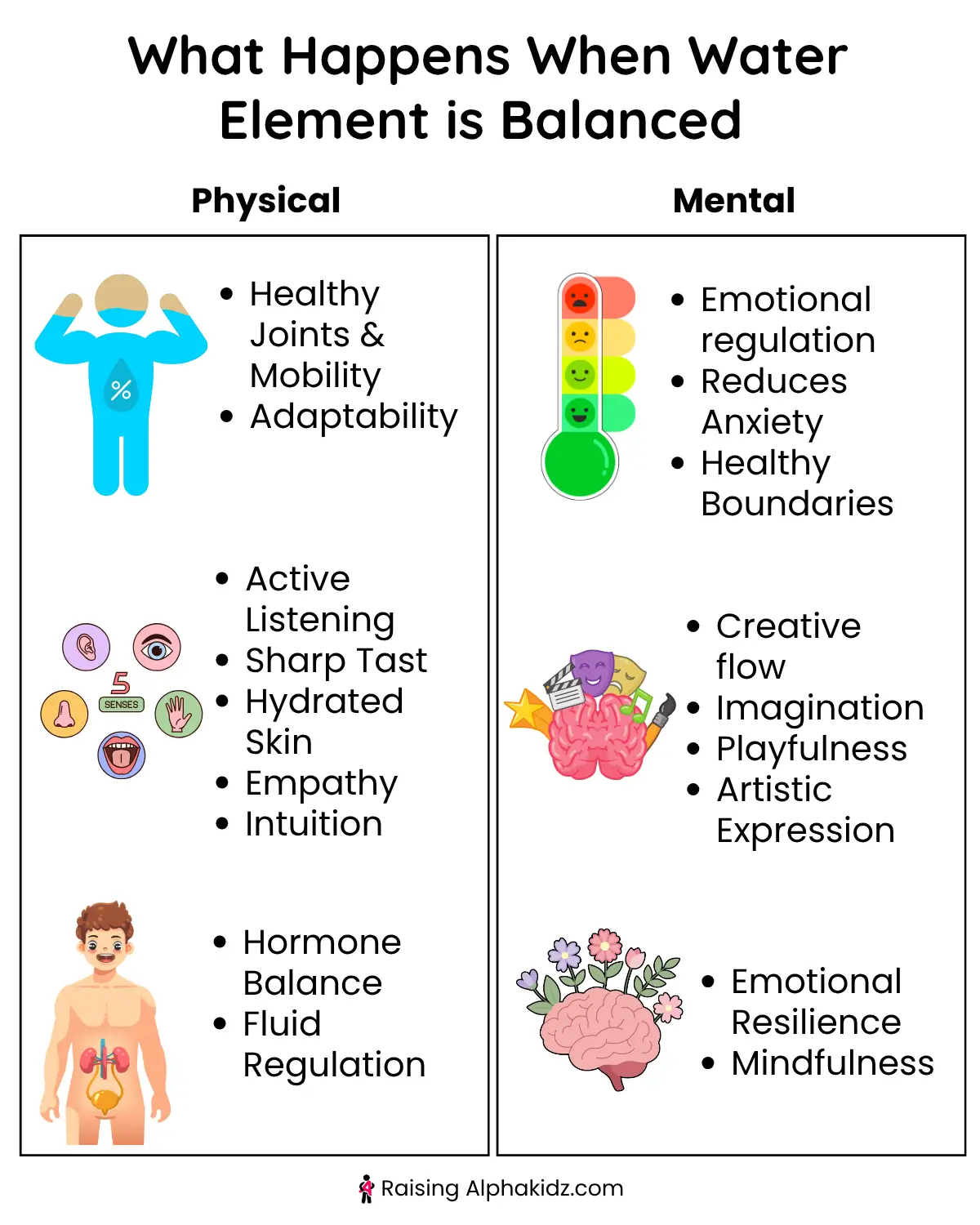
- Emotional balance – Feeling love, compassion, empathy, and connection with others.
- Adaptability – Adjusting easily to changes and new situations.
- Mental stability – Keeping thoughts, memories, and emotions organized.
- Contentment – Creating a sense of calm, satisfaction, and inner peace.
What Happens When the Water Element Is Out of Balance?
When the Water element is low or disturbed, a person may experience physical, mental, and emotional challenges.
- Dryness in the body.
- More doing and less being
- Hard to express yourself freely and experience creative blockages.
- Becoming irritated or angry easily
- Being stubborn or resistant to change and adapt.
- Feeling anxious, restless, or uneasy
- Difficulty letting go and lack of forgiveness and acceptance.
- Lack of Flow and difficulty concentrating or executing things.
- Feeling emotionally drained, disconnected, uninspired, or unmotivated.
How do different types of water activities distinctively affect Human cognition?
Beyond regulation, different water activities stimulate cognition in different ways:
For example,
- free water play enhances creativity and problem-solving,
- swimming improves focus and coordination,
- bubble play or floating promotes calmness, attention, and emotional regulation.
Ultimately, they all support a balance of creative thinking, executive function, and mental well-being.
Hence, the water-balancing activities not random fun. Meanwhile, they are nervous-system regulatory medicine disguised as a play.
Water Element Activities & Flow States
Besides, balancing water element naturally promotes a state of deep focus, effortless engagement, and present-moment awareness. This optimal state of complete absorption in an activity is known as a flow state.
In this Flow state, attention becomes fully absorbed with a challenge proportional to skill in a meaningful activity with clear, immediate feedback.
Therefore, You can assess the balance of the water element through a person’s ability to enter and sustain a flow state.
In other words, a balanced water element creates the ability to enter into a flow state.
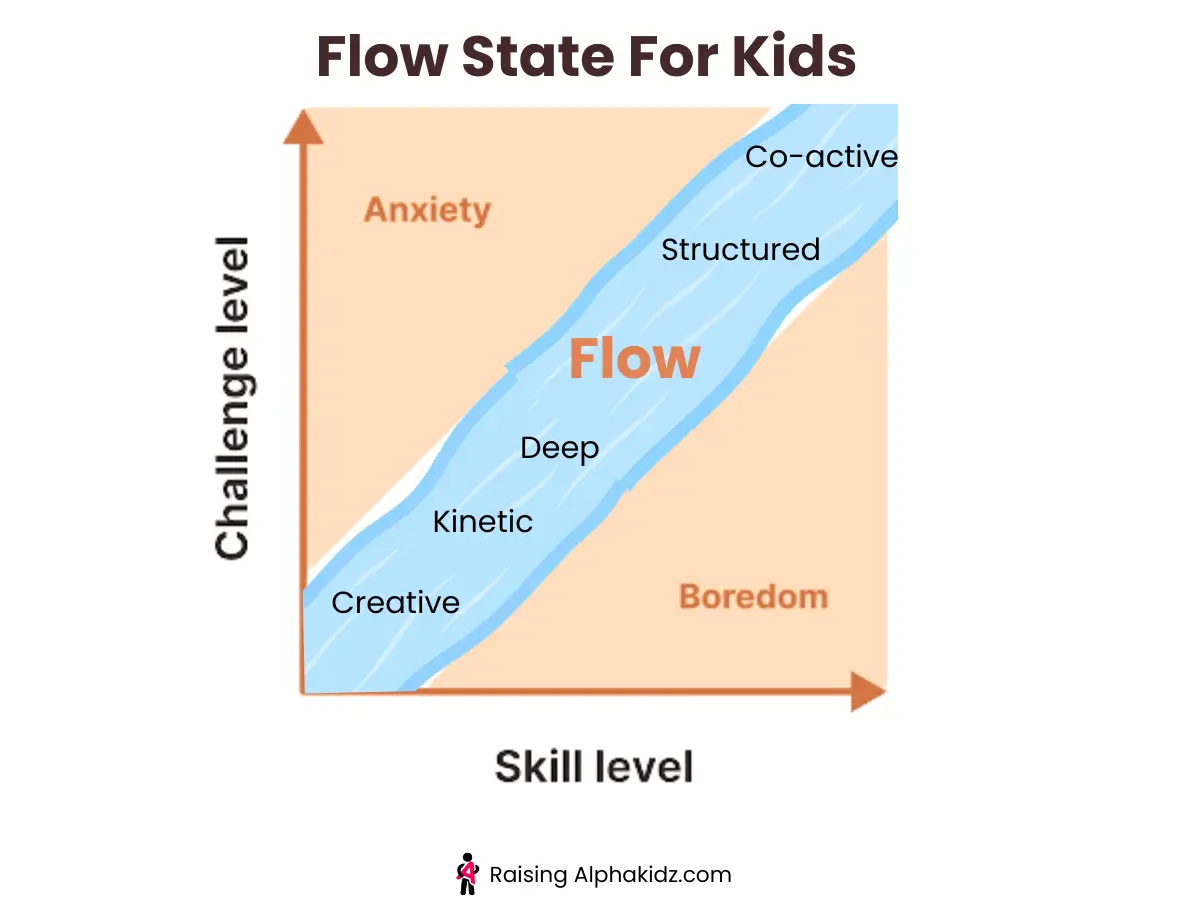
Furthermore, based on how the attention is absorbed, flow state is divided into 5 types —
- Creative flow: Attention through Imagination
- Kinetic flow: Attendance through movement
- Deep flow: Attention through concentration
- Structured flow: Attention through Cognition
- Co-active flow: Attention through Social interaction
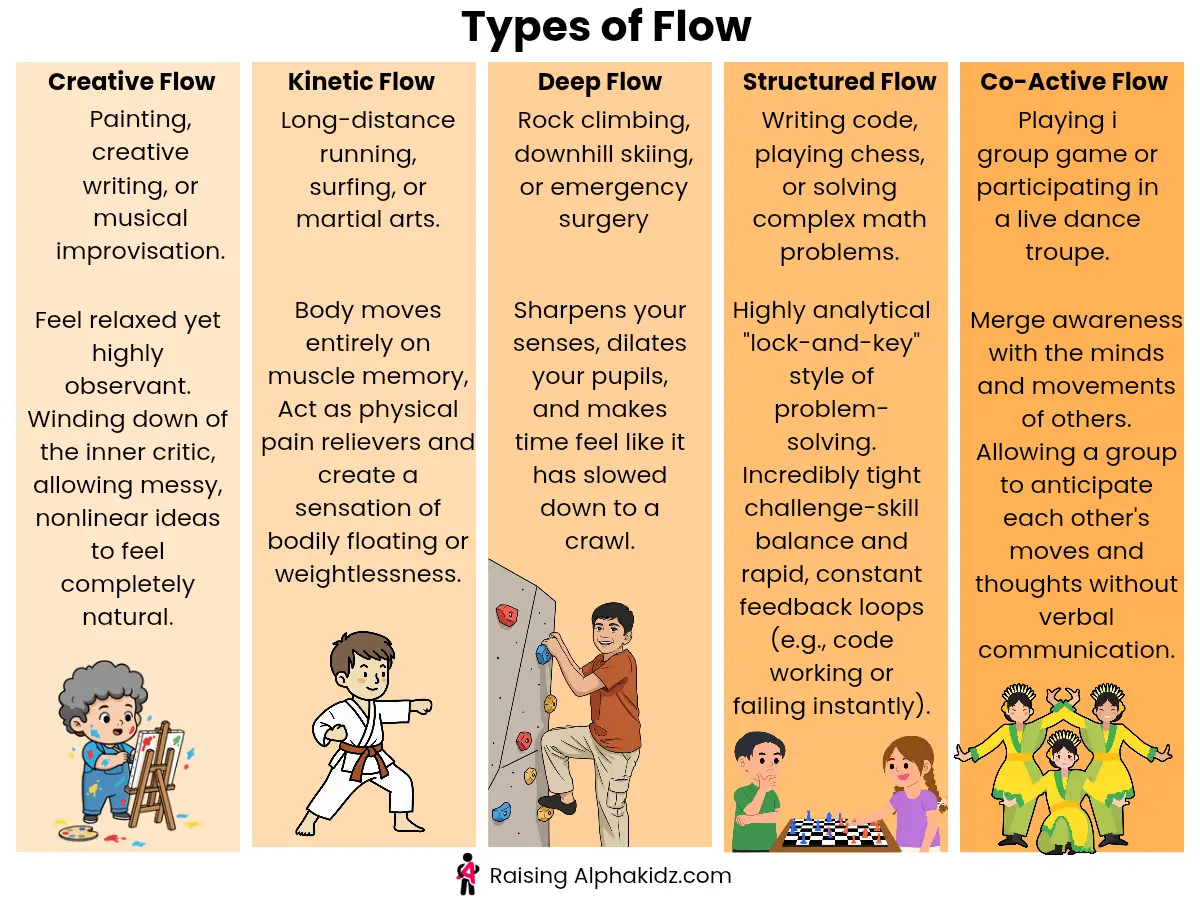
However, the core mechanism remains the same: sustained engagement that matches challenge with skill and keeps awareness anchored in the present moment.
Kids Activities That Balance the Water Energy
Next, let’s dive into the list of activities that helps to to balance water energy in children.
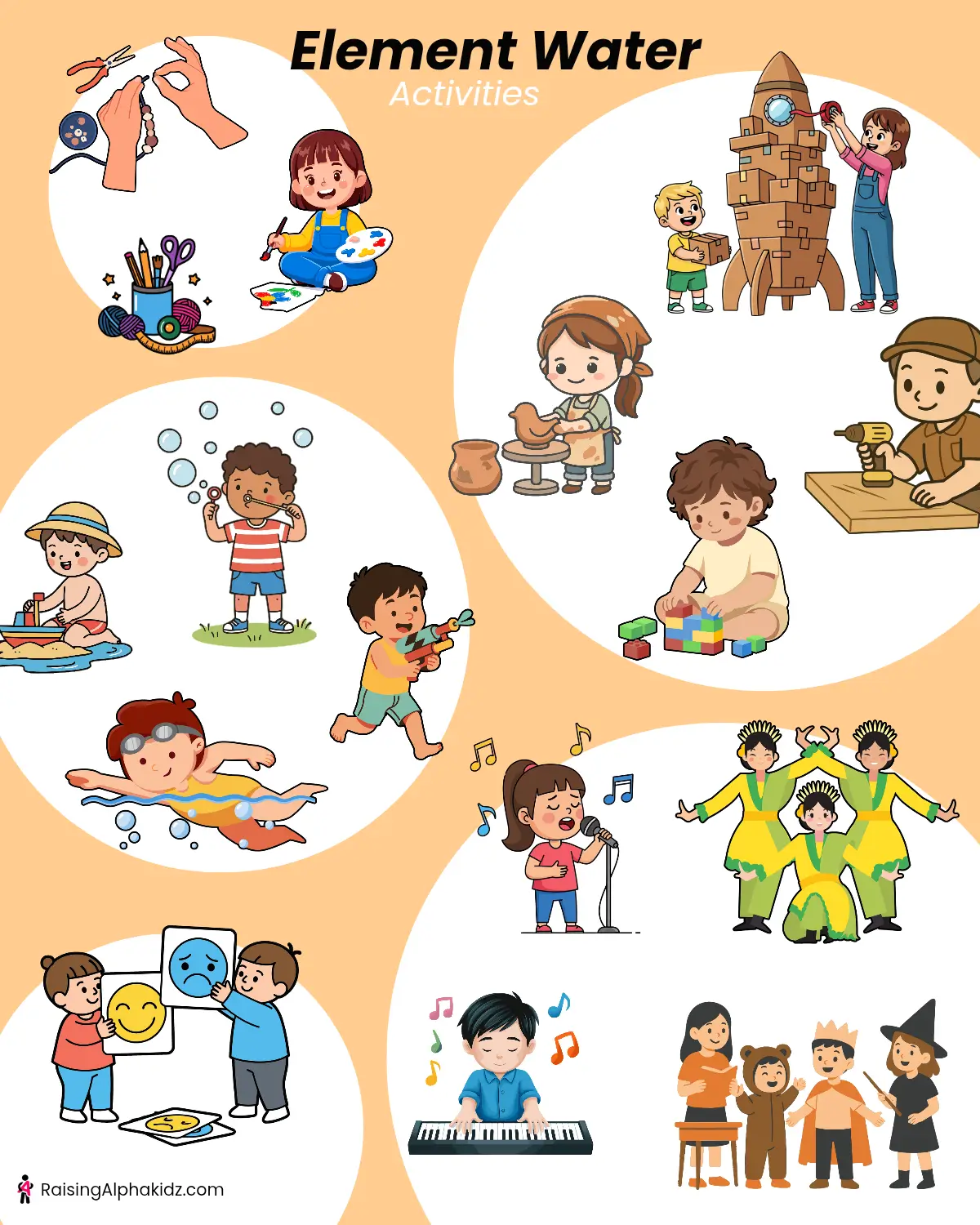
- Creative Arts & Crafts: Drawing, painting, bead making, jewellery making, coloring, cutting with scissors, craft making
- Imagination & Construction: Block building, tower construction, pottery/clay modeling, woodworking, designing and creating structures, using tools for making things
- Water Play & Exploration: Sand and water play, blowing bubbles, water-gun play, swimming
- Emotional Expression & Social Awareness: Identifying emotions, expressing feelings, empathy activities, discussing moods and emotions
- Performing Arts & Self-Expression: Singing, dancing, playing musical instruments, role-playing, costume play, dramatic play, storytelling through performance
Water Activities and Its Associated Flow States
More importantly, let’s see how specific water-based activities helps to kids to enter different flow states.
Creative Flow
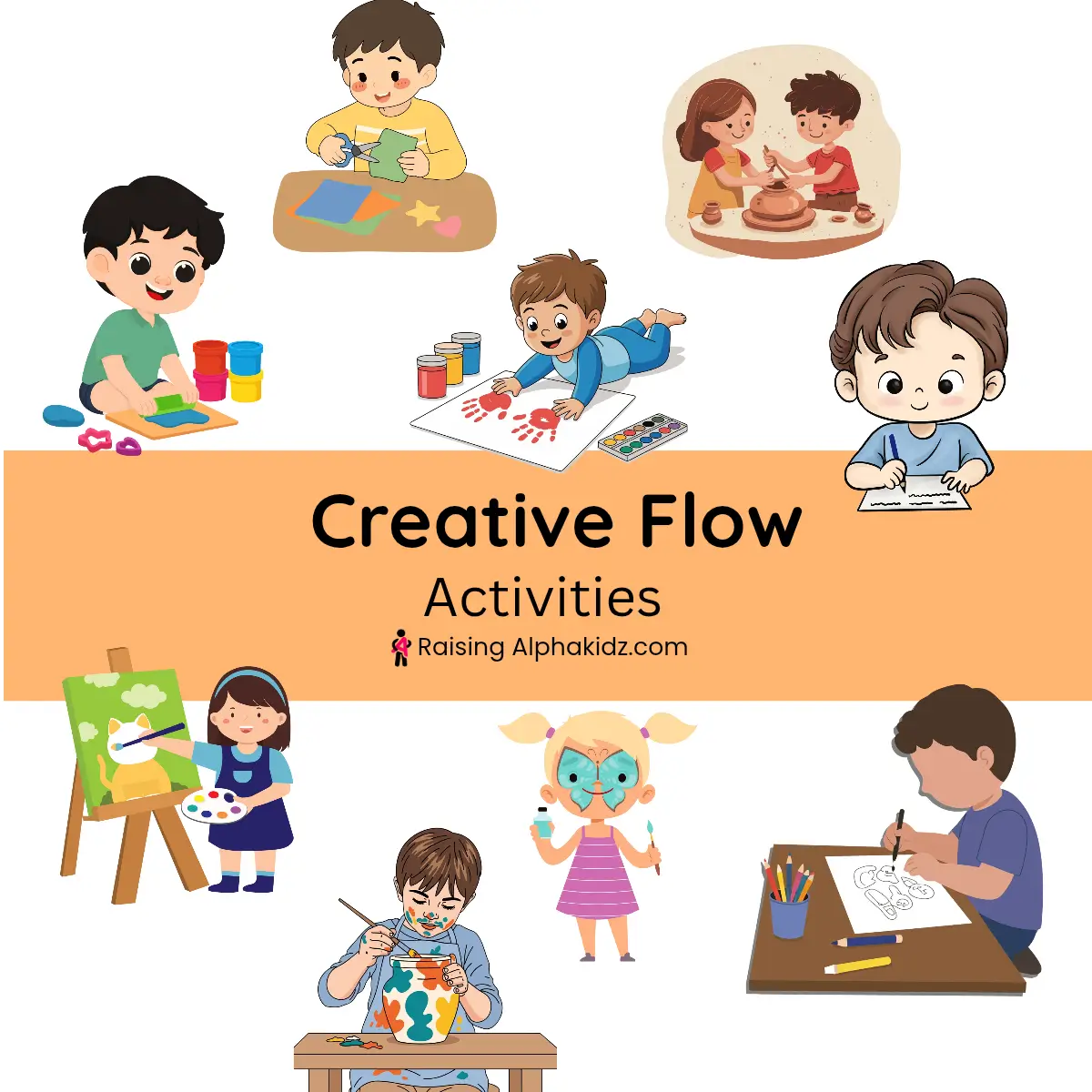
Activities: Painting, drawing, crafts, beading, creative storytelling, music, and imaginative play.
Benefits: Encourages self-expression, emotional release, creativity, and confidence while helping children feel calm and absorbed in the moment.
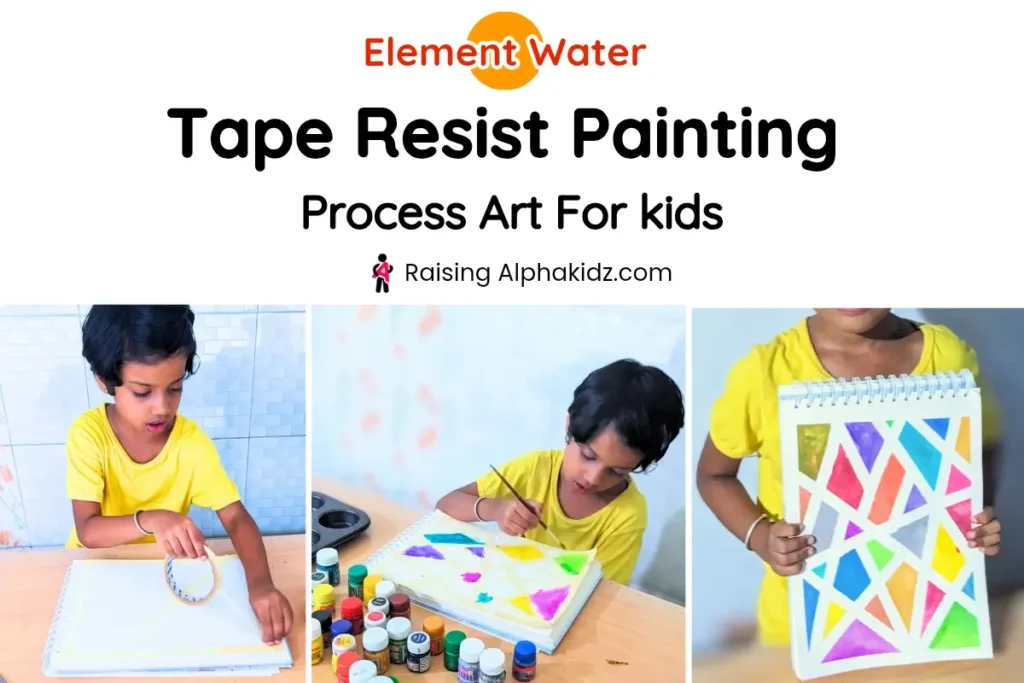
Related Posts: Tape Resist Art For Kids | An Easy Process Art Idea
Kinetic Flow
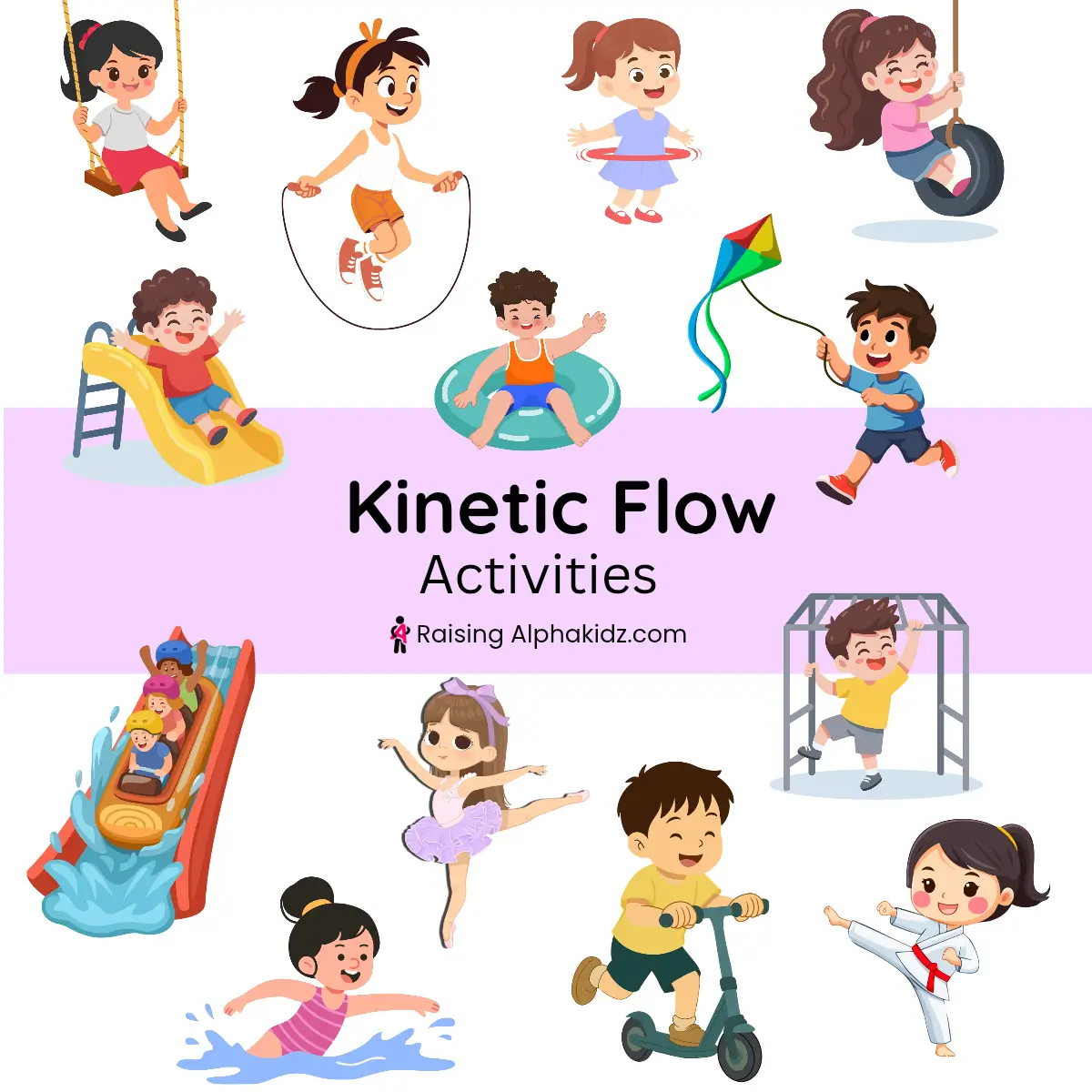
Activities: Swimming, water play, dancing, tactile martial arts, flow-based outdoor games like swinging, sliding, and sensory movement activities.
Benefits: Promotes emotional regulation, body awareness, flexibility, and the natural flow of energy through movement.
Deep Flow
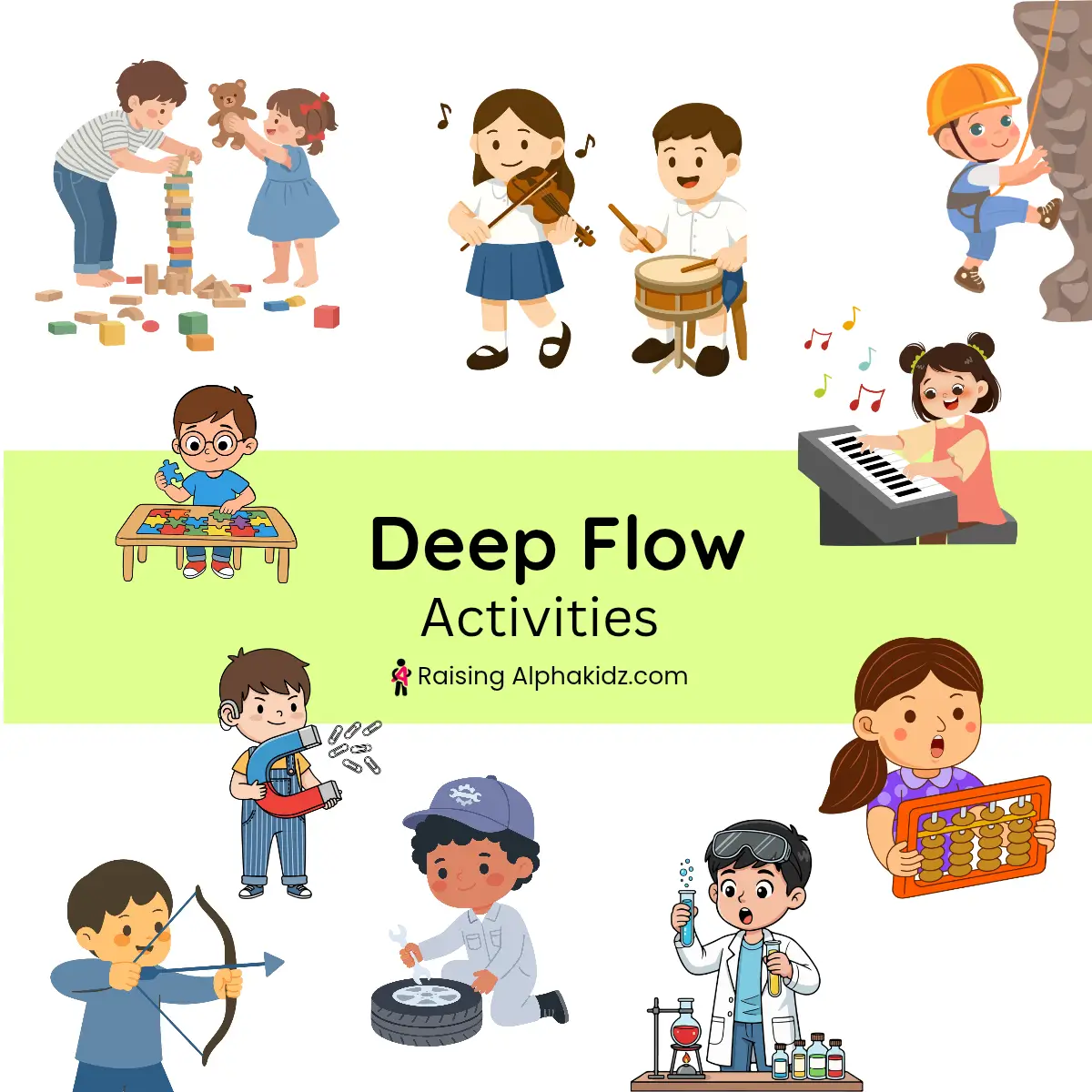
Activities: Pottery, sculpting, clay modeling, play dough, advanced building projects, woodworking, puzzles, and skill-based challenges.
Benefits: Builds focus, patience, perseverance, and deep concentration while creating a sense of accomplishment.

Related Posts: How To Built A Cardboard Dinosaur 3D Model Craft For Kids
Structured Flow
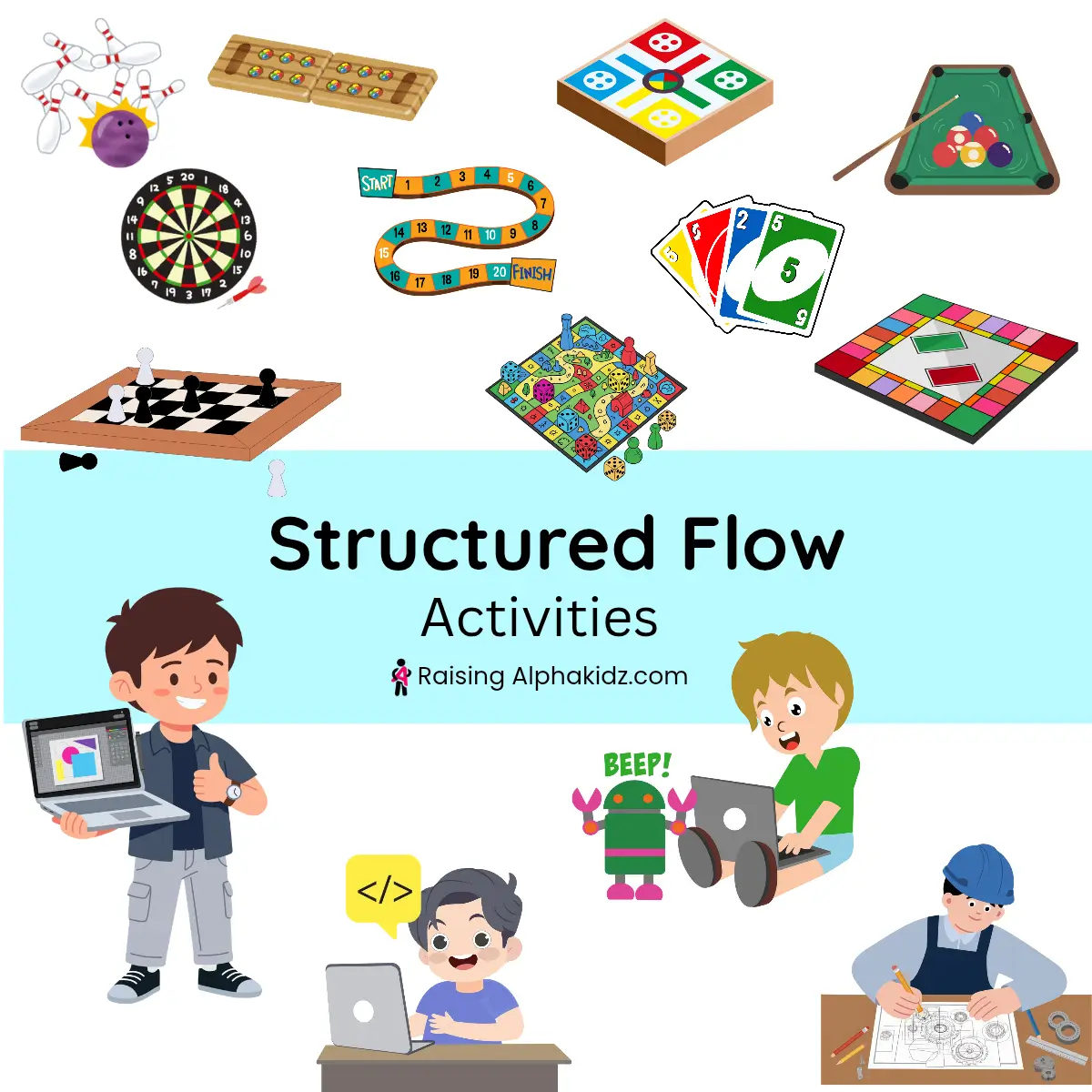
Activities: Block construction, strategy games, coding activities, pattern-making, and problem-solving challenges.
Benefits: Strengthens logical thinking, adaptability, concentration, and creative problem-solving.
Co-Active Flow
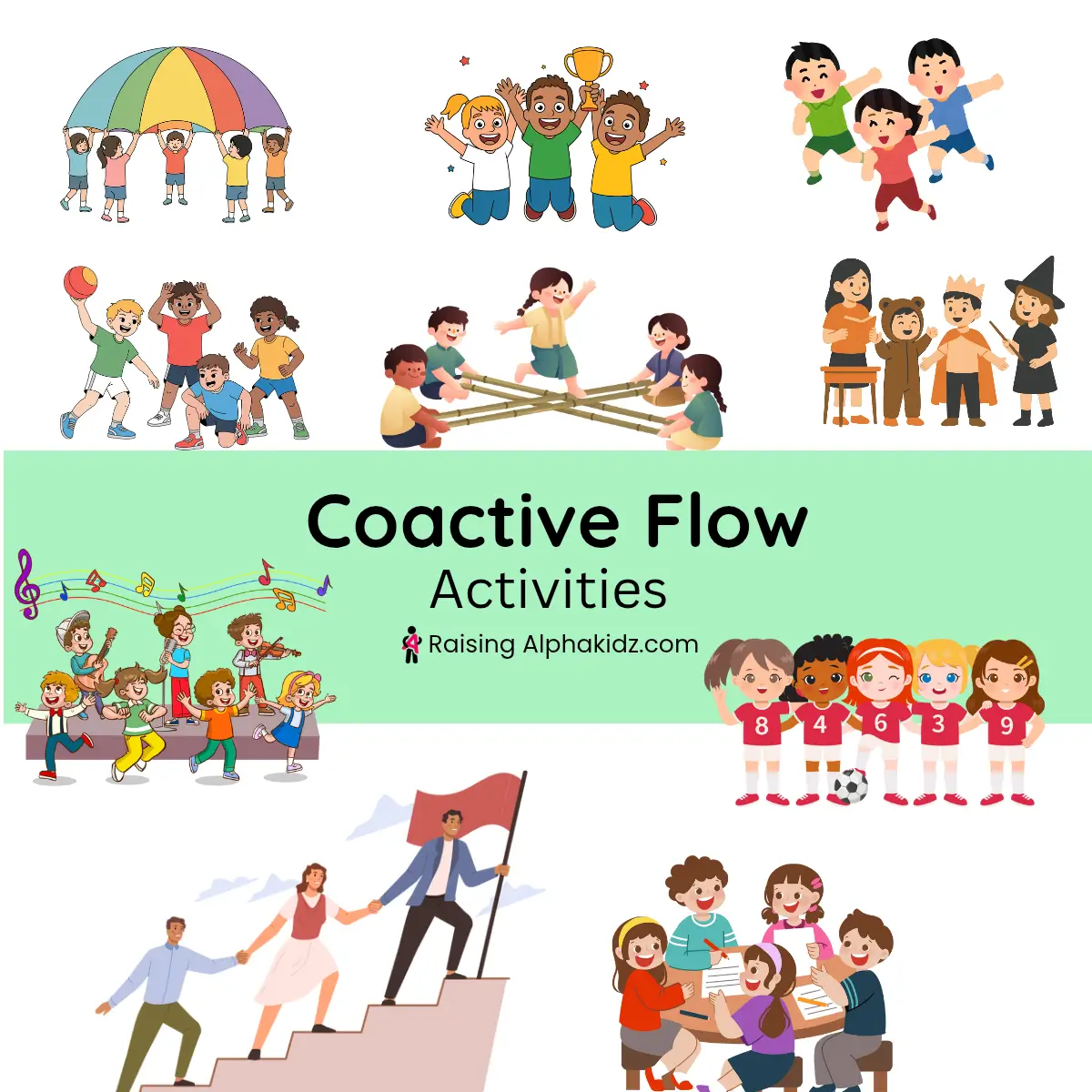
Activities: Group dance, theater, role play, collaborative art projects, music ensembles, and team games.
Benefits: Develops empathy, communication, cooperation, and social connection while fostering a sense of belonging.
How Water-Balancing Activities Help Children
Finally, let understand how Water-balancing helps children in different ways in broader perspective.
- Support healthy emotional expression
- Encourage creativity and imagination
- Improve adaptability and resilience
- Develop focus and concentration
- Strengthen social connection and empathy
- Promote calmness, joy, and emotional well-being
- Create opportunities for children to experience flow and fully engage in the present moment
In summary, water is not just a drink or a bath—it is a living element that shapes your child’s emotional flow, adaptability, and creative spirit. As a result, when you intentionally offer water-based activities (pouring, splashing, painting, dancing, or simply watching rain), you are not just keeping them busy. You are gently regulating their nervous system and restoring inner balance.
Finally, remember that balance is not a destination but a daily rhythm. Because, some days your child will need more water play; other days, less. Hence, trust your observation. Also, Trust their response.
In conclusion, start small. For now, may be a basin of water. Then, a few cups. Eventually, a ten minutes of unstructured flow. Also, watch what happens. Then, repeat—because every splash is a step toward a more grounded, connected, and emotionally free child.
More importantly, the next time you see your child rigid, numb, or overwhelmed, ask yourself: Have they had enough water today? Not to drink—but to play.
Be conscious enough to understand, be curious enough to observe!
Also Read, Earth Element Activities For kids
Related Posts: 25+ Grounding Activities For Kids | Manage Anxiety & Stress